TikTok's Toxic Parenting Phrases Trend: A Mirror to Modern Parenting
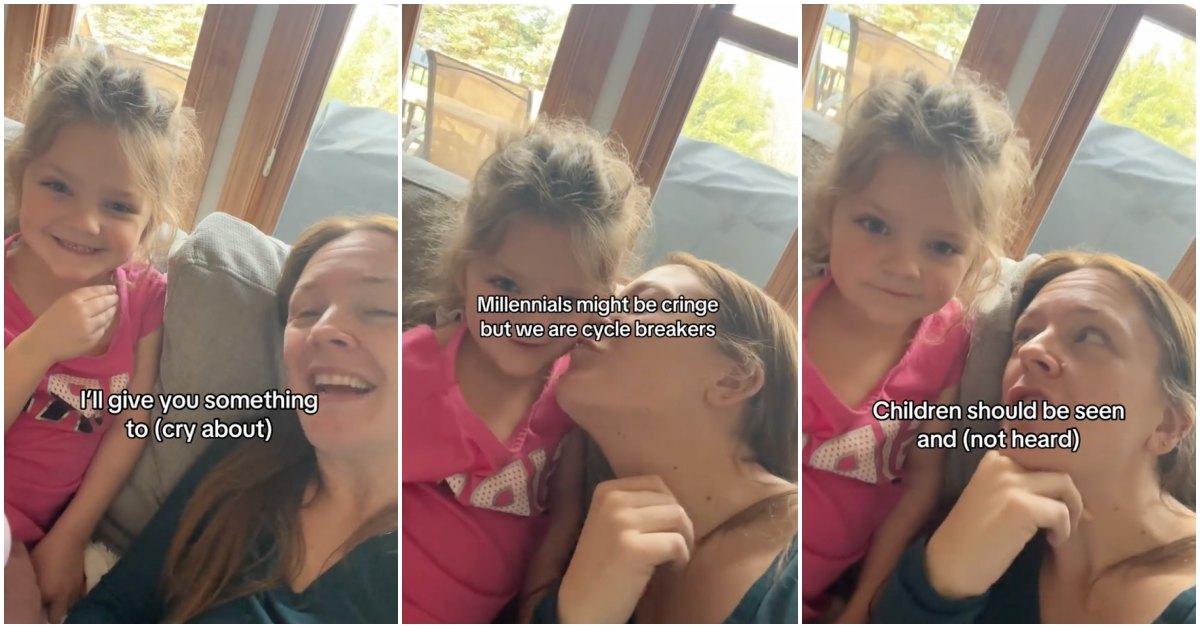
In an age where viral content often sparks meaningful conversations, a particular TikTok trend has captured the internet's attention: the "Toxic Parenting Phrases" challenge. Parents are playfully asking their children to complete classic, often authoritarian, sentences that many millennials and Gen Xers grew up hearing. The twist? The kids, often raised with more modern, emotionally intelligent approaches like "gentle parenting," finish these phrases with unexpectedly sweet, innocent, or even humorous alternatives. This trend, gaining significant traction since April 2025, isn't just about laughs; it's a poignant reflection of how our understanding of child development and effective communication is evolving, prompting us to critically examine the subtle harm hidden within seemingly innocuous phrases.
The "Toxic Parenting Phrases" trend brings into sharp focus a generational shift. Phrases like, "I brought you into this world..." are met with "...to give me hugs!" instead of "...and I can take you out of it." "I'll give you something to..." is completed with "...snuggle with!" instead of "...cry about!" And the infamous "Kids should be seen..." gets a sweet "...and loved!" instead of "...and not heard." These delightful misinterpretations highlight the stark contrast between traditional, often fear-based or dismissive, parenting approaches and the growing emphasis on emotional validation, open dialogue, and fostering a child's individuality. But beyond the viral entertainment, what do these common Toxic Parenting Phrases truly reveal about us, and the lasting impact they might have?
Unpacking the Hidden Harm in Common Phrases
Many of us remember a childhood soundtrack of specific phrases, uttered by well-meaning parents doing their best with the knowledge they had. Yet, as psychological understanding advances, we recognize that some of these seemingly harmless expressions can subtly erode a child's self-esteem, stifle emotional growth, and hinder critical thinking. Let's revisit some prominent examples, delving into their potential impact and exploring more constructive alternatives.
"Because I said so!"
This classic assertion of parental authority was, and often still is, a go-to for ending discussions. While it might seem like an efficient way to establish boundaries, its long-term effects can be detrimental. By shutting down a child's inquiry without explanation, this phrase inadvertently:
- Undermines Critical Thinking: Children are naturally curious. Denying them the "why" behind rules or decisions discourages them from developing reasoning skills and understanding cause-and-effect.
- Fosters Resentment, Not Respect: True respect is built on understanding and trust, not blind obedience. When children aren't given reasons, they may comply out of fear rather than internalizing the value of the rule.
- Limits Communication: It teaches children that their questions and perspectives are unwelcome, potentially leading them to stop communicating openly with their parents as they grow older.
A Better Approach: Instead of immediate dismissal, offer concise, age-appropriate explanations. "Because I said so" can become, "We need to clean up now so we have time to play outside later," or "Touching the hot stove will hurt you, that's why we don't do it." This fosters understanding, promotes critical thinking, and builds a foundation of trust. For more on this, consider reading Beyond "Because I Said So": Unpacking Toxic Parent Phrases.
"Don't cry, it's not a big deal."
Often uttered with the intention of "toughening up" a child, this phrase can have a profoundly negative impact on emotional development. Imagine a scraped knee, a lost toy, or a friendship spat – all "big deals" in a child's world. Telling them not to cry sends a clear message:
- Invalidates Emotions: It teaches children that their feelings are unimportant, unwarranted, or even wrong. This can lead to confusion and self-doubt about their emotional responses.
- Encourages Emotional Suppression: Kids learn to bottle up their feelings, believing that expressing vulnerability is unacceptable. This can manifest later as difficulty identifying and processing emotions, anxiety, or even depression.
- Hinders Emotional Intelligence: Learning to navigate emotions is crucial for healthy relationships and self-regulation. Dismissing feelings deprives children of the opportunity to learn coping mechanisms and emotional literacy.
A Better Approach: Validate their feelings. "It looks like you're really sad/frustrated/hurt right now, and that's okay. I'm here for you." Then, you can help them understand and process. "It's okay to cry when you're hurt. Let's clean that scrape, and then we can talk about how you feel." This teaches empathy and emotional resilience.
"You're just like your [insert family member]!"
While sometimes used endearingly, this phrase often appears during moments of frustration, comparing a child to a family member known for undesirable traits. This can be incredibly damaging to a child's developing sense of self and individuality:
- Stifles Individuality: It implies that a child is predetermined to be like someone else, rather than being seen and valued for their unique personality and potential.
- Damages Self-Esteem: If the comparison is negative, it can make a child feel inherently flawed or destined to make the same mistakes, impacting their confidence and desire to forge their own path.
- Creates Unfair Expectations: It burdens children with the identity or reputation of another person, rather than allowing them to define themselves.
A Better Approach: Focus on the specific behavior, not the person. "I'm not happy with how you handled that situation. Let's talk about better ways to solve problems," rather than, "You're just like your lazy uncle!" Celebrate their unique qualities and help them understand that they are individuals capable of making their own choices. For more on the lasting impact of such phrases, check out Toxic Phrases from Your Childhood: How They Still Affect You.
What the TikTok Trend Reveals About Us
The viral success of the "Toxic Parenting Phrases" trend on TikTok is more than just a fleeting moment of internet humor. It's a powerful indicator of several significant societal shifts:
- Increased Psychological Awareness: There's a growing understanding of child psychology and the long-term impact of early experiences. Concepts once confined to academic circles are now mainstream, thanks in part to social media and accessible information.
- Generational Shift in Parenting Values: Younger parents, particularly millennials, are actively seeking alternatives to the authoritarian or dismissive styles they might have experienced. They prioritize emotional intelligence, open communication, and fostering a child's autonomy. This is often encapsulated in the "gentle parenting" movement.
- Desire to Break Cycles: Many participants in the trend are consciously working to parent differently from how they were raised, aiming to break cycles of potentially harmful communication patterns and create more nurturing environments for their children.
- The Power of Collective Reflection: Social media provides a platform for collective introspection. The trend allows millions to identify with shared experiences, validate their own childhood feelings, and engage in a dialogue about what constitutes healthy parenting.
- Humor as a Healing Tool: By turning these phrases into a playful challenge, the trend allows for a lighthearted yet profound confrontation of past hurts. It's a way to acknowledge the impact without necessarily blaming, and to celebrate progress.
Ultimately, this trend reveals a society that is becoming more self-aware, more empathetic, and more committed to improving the emotional well-being of the next generation. It acknowledges that while our parents did their best, we now have the opportunity—and responsibility—to do even better, armed with new knowledge and a willingness to evolve.
Conclusion: Moving Forward with Intentional Parenting
The TikTok "Toxic Parenting Phrases" trend is a vibrant testament to our collective journey towards more conscious and compassionate parenting. It highlights the often-unseen power of language and the subtle ways our words can shape a child's inner world. By bringing these phrases into the light, we're not just reminiscing about the past; we're actively constructing a healthier future. It’s an invitation for current parents to reflect on their own language, for adult children to process their past, and for everyone to understand that growth and learning in parenting are continuous. Moving forward, the goal is clear: to foster environments where children feel seen, heard, validated, and empowered, ensuring that the legacy we pass down is one of emotional strength and genuine connection.